He Pūtātara | Spotlight on Practice: Maraetai Beach School
At the heart of the MAC Kaupapa sits a simple but powerful question: when we walk into a kura, do we know we're standing in a school in Aotearoa? Mā te tautoko ka arahia nei i ngā tikanga me ngā kawa o Te Ao Māori — Supporting Tumuaki to Lead with Cultural Confidence — that's what drives everything we do, and it's why we love nothing more than celebrating the success of our MAC kura and leaders.
Today, we're shining a light on Maraetai Beach School, where a growing Matariki tradition is bringing staff, ākonga (students) and whānau closer together; and where Tumuaki Lou Reddy and the wider team have shown real courage in deepening their own understanding of tikanga Māori alongside their community.
This year, Maraetai Beach built on the success of their first Matariki hāngī by introducing a dawn hautapu ceremony for staff, a moving addition that has already sparked calls to make it an annual tradition. Here's their story, in their own words.
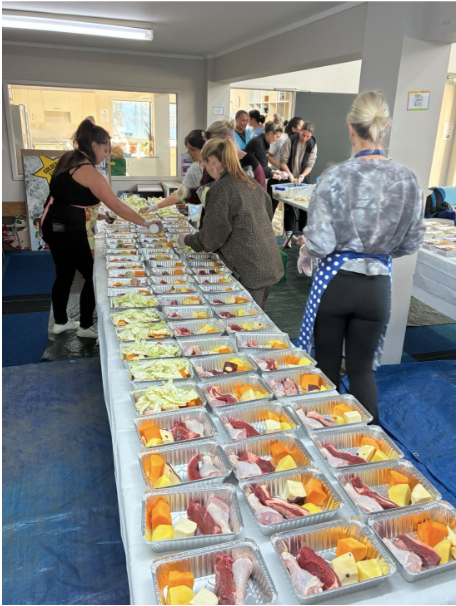
Hāngī kai packs being put together. Whānau and school staff working together to assemble these.
Rohe: Tāmaki Makaurau, East Auckland Tumuaki: Lou Reddy
He Aha? – What are we celebrating?
We are celebrating our second successful Matariki hāngī, which brought together students, staff, whānau and our wider community to acknowledge and celebrate Matariki. This year we also introduced a staff dawn hautapu ceremony, creating a meaningful opportunity for staff to deepen their understanding of Matariki, tikanga Māori and the significance of hautapu through authentic participation.
Ngā Mahi – What intentional actions did we take?
We changed... We built on the success of our first Matariki hāngī by continuing to develop Matariki as a significant whole-school event. We also introduced a dawn hautapu ceremony for staff before the hāngī, incorporating karakia, kōrero and acknowledgement of the stars of Matariki.
An important intentional change this year was providing staff with more knowledge and understanding than the previous year about the meaning of Matariki, hautapu and the tikanga that sits behind these practices. We did this through targeted staff PLD during staff meeting time, alongside open and honest communication where staff could ask questions, clarify misunderstandings and build their cultural knowledge in a safe and supportive environment. This helped to demystify aspects of Matariki and hautapu and increased staff confidence to participate meaningfully.
Because we wanted to... Move beyond simply celebrating Matariki towards developing a deeper understanding of its tikanga, mātauranga and significance. We wanted staff to understand the why behind the practices, rather than simply taking part in an event. By strengthening staff knowledge and confidence, we hoped to create greater collective ownership, increase staff participation and ensure that learning about Matariki could be carried authentically into classrooms.
Ultimately, we wanted staff, students and whānau to experience Matariki in a meaningful and culturally sustaining way while strengthening connections across our school and wider community.
Ngā Hua – What difference did we notice?
The Matariki hāngī continues to create a strong sense of whanaungatanga and belonging within our school community. During our first hāngī, much of the organisation and leadership sat with a small, dedicated group of whānau. This year, we intentionally sought to broaden involvement, particularly amongst our staff, to create greater collective ownership and have more people on board and paddling the waka together.
The introduction of the staff hautapu was an important part of this. Staff and their whānau gathered before dawn to experience tikanga Māori together, learn about the significance of hautapu, reflect, and set intentions for the year ahead. At the conclusion of the ceremony, a hākari provided time for people to connect over kai, engage in meaningful conversations and strengthen relationships in ways that the busyness of the school day does not always allow.
Staff feedback was overwhelmingly positive. Staff described the experience as special and meaningful, shared that they felt blessed to have been part of it and expressed a strong desire for the hautapu to become an ongoing school tradition.
The hāngī itself also saw whānau, staff and community members contributing their time, knowledge and support, strengthening the sense that the event was something created with our community rather than for our community.
Together, the hautapu and hāngī helped deepen staff understanding and confidence around Matariki and reinforced for our tamariki that te ao Māori is visible, valued and normalised within our school culture.
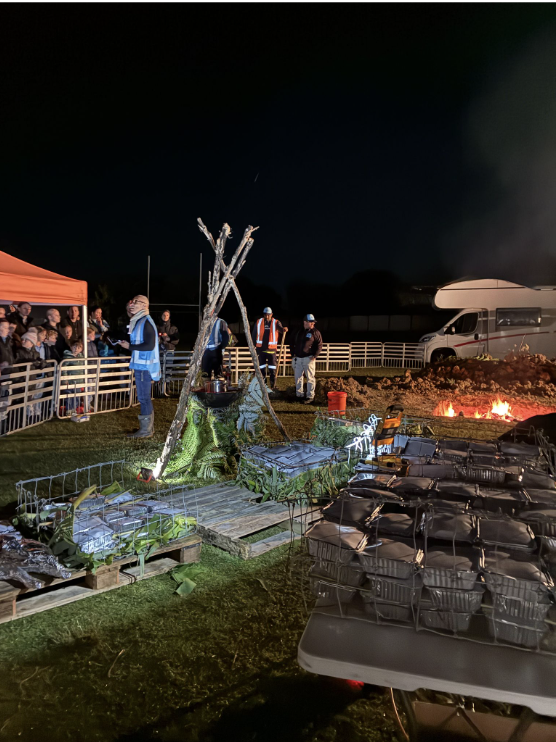
Hautapu ceremony at dawn. Hāngī pit in the background and kai baskets ready to go down in the foreground.
Ngā Akoranga – What did we learn?
Start with one meaningful practice and grow it each year. Our hāngī has developed over time, and adding the hautapu this year allowed us to deepen the learning without trying to introduce too many new initiatives at once.
Te Ara Whakamua – Where to next?
Our next step is to continue growing the hautapu as part of our Matariki traditions. Next Matariki, we will explore extending the dawn hautapu ceremony beyond staff and their whānau to invite our whole school community to participate.
We also want to introduce Matariki Values Awards for our tamariki, using the values associated with Matariki as an opportunity to recognise students who demonstrate these through their actions and contributions to our school community.
Ngā mihi nui to Lou Reddy and the whole Maraetai Beach School community for sharing their journey with us. If your kura has a story of growth and success to share, we'd love to hear from you, contact us on heputatara@mac.ac.nz